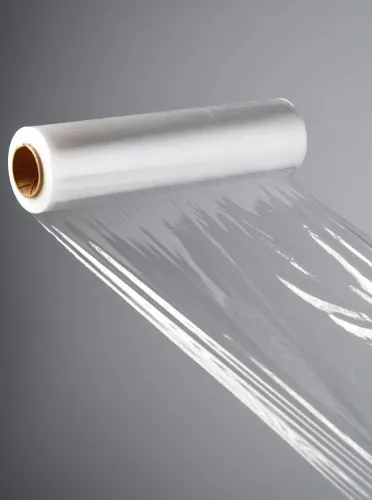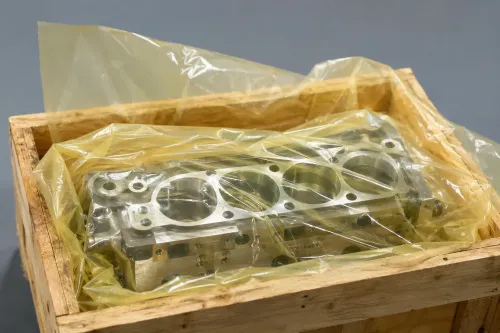


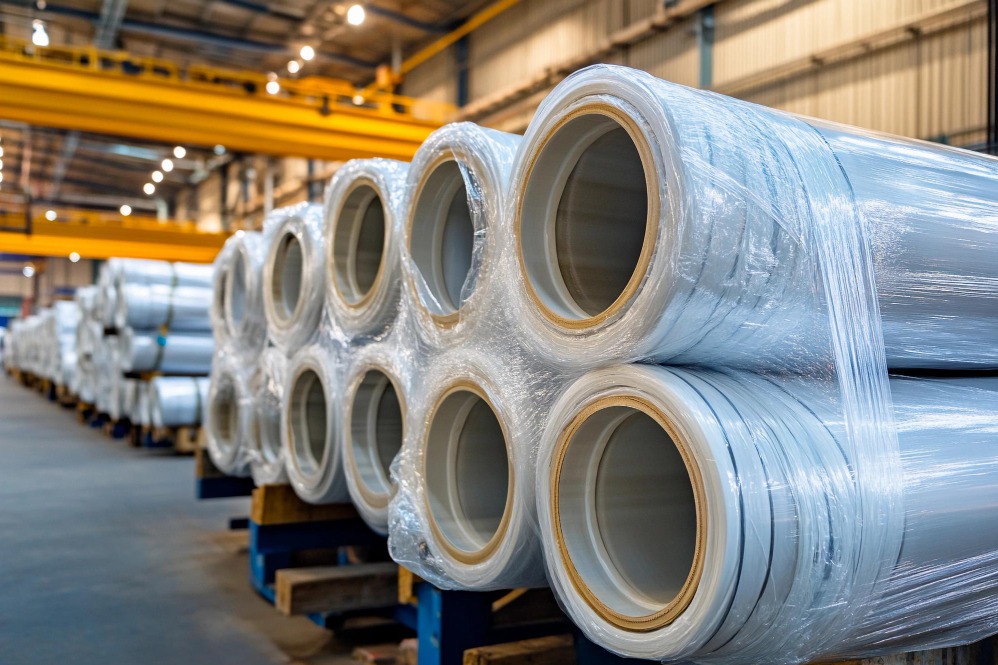
Stretch film is widely used to secure cartons, bags, containers, and industrial products on pallets. It stretches around a load and uses controlled tension to hold the packed units together during storage and movement.
Although the application appears simple, unsuitable film or wrapping technique can lead to unstable pallets, crushed cartons, film breakage, and excessive consumption. Selecting the right stretch film requires attention to load characteristics and operating conditions.
Step 1: Classify the Pallet Load
Begin by examining the shape and stability of the load before wrapping.
A uniform load with aligned cartons behaves differently from an irregular load containing projections or varying pack sizes. Heavy products may require greater holding force, while lightweight cartons can be damaged by excessive tension.
Record the following:
- Total pallet weight
- Pallet height and width
- Carton or bag dimensions
- Sharp corners and projections
- Load uniformity
- Transport distance
- Storage duration
- Manual or machine wrapping
These details give the manufacturer a clear basis for film recommendations.
Step 2: Identify the Main Risk
Some loads shift during vehicle movement. Others lean during storage or become unstable when handled by forklifts. Moisture, dust, and surface damage may create additional concerns.
The primary objective should be defined before testing the film. A wrapping pattern designed mainly for dust protection may not provide enough containment for a heavy, unstable load.
Step 3: Review Film Performance
Film thickness alone does not determine effectiveness. Stretchability, puncture resistance, cling, recovery, and holding force all influence pallet stability.
During a trial, observe whether the film:
- Stretches consistently without frequent breaks
- Clings securely to the wrapped load
- Resists punctures around corners
- Maintains tension after wrapping
- Holds the base firmly to the pallet
- Prevents movement between layers
- Avoids crushing outer cartons
- Remains stable after transportation
The number of revolutions and wrapping pattern should remain consistent when comparing different films.
Step 4: Measure Actual Consumption
A lower-priced roll may not reduce costs if workers need additional layers to achieve stability. Film breakage and repeated wrapping also add labour and material waste.
Evaluate the amount of film used per completed pallet. This provides a more meaningful comparison than roll weight or purchase price alone.
Step 5: Test Under Real Conditions
The completed pallet should be moved with normal warehouse equipment and, where possible, included in a trial shipment. Inspect it after loading, transportation, and unloading.
Look for leaning, torn film, loosened upper layers, damaged cartons, or separation between the load and pallet. These observations help determine whether the issue lies with the film, wrapping method, or pallet arrangement.
Nagpur businesses dispatching goods across Maharashtra and central India should account for road vibration, repeated handling, warehouse temperatures, and seasonal conditions. A stable pallet reduces product damage and creates safer handling conditions.
For a practical load-stability assessment, share your pallet dimensions, weight, wrapping method, and current film consumption with Plastomatic Industries.