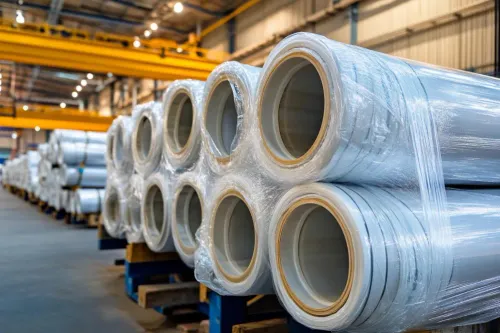


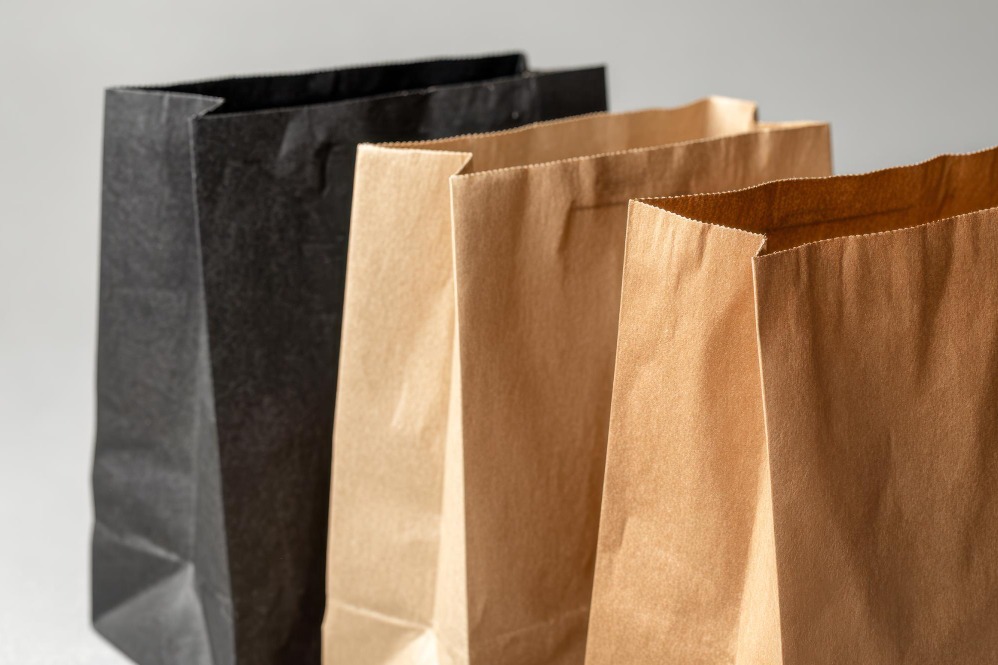
Bulk packaging must tolerate conditions that small retail packs may never encounter. Higher product weight, stacking pressure, repeated handling, warehouse movement, plus transportation can place considerable stress on a packaging bag.
Selecting a Packaging Bags Manufacturer therefore involves more than specifying bag dimensions. Businesses should first understand how the bag will be filled, handled, stored, transported, plus emptied.
Define What Goes Inside the Bag
The physical nature of the product influences bag construction.
Powders behave differently from granules. Agricultural products may create different loading stresses from industrial raw materials. Components with edges can increase puncture risk. Fine materials may require particular attention to closure plus containment.
Before requesting a quotation, provide the manufacturer with basic product information such as:
- Product type
- Approximate weight per pack
- Density
- Particle characteristics
- Moisture sensitivity
- Presence of sharp edges
- Storage duration
These details make packaging discussions much more specific.
Choose Dimensions Based on Filled Condition
A common mistake is evaluating bag dimensions while the bag is empty.
Once filled, the product changes the bag's shape. Width, length, gusset requirements, plus available sealing space should therefore be considered based on the actual fill volume.
Oversized bags may consume unnecessary material plus occupy extra space. Undersized bags can complicate filling or create excessive stress near seals.
Sample filling trials can help determine practical dimensions.
Examine Strength Requirements
Bulk packs are frequently lifted, stacked, shifted, loaded, plus unloaded several times before reaching their destination.
Bag strength should reflect these movements.
Consider how workers or equipment handle the pack, how high products are stacked, whether the load travels by road, plus whether packaging may rub against adjacent packs.
For products with challenging shapes, puncture resistance can be just as important as general tensile strength.
Pay Attention to Closure
A strong bag can still perform poorly when its closure is unsuitable.
The sealing method should suit the bag material, filling process, plus expected handling conditions. Businesses using automated systems should also check compatibility with their machinery.
Seal consistency is particularly important when fine products must remain contained during transportation.
Assess Storage Conditions
Warehouses are not always controlled environments. Packaging may encounter humidity, dust, temperature variations, sunlight near loading areas, plus prolonged stacking.
If filled bags remain in storage for extended periods, tell the packaging supplier. Storage duration can influence the specification required for the application.
Nagpur's role as a major commercial plus logistics centre in Maharashtra also means many businesses handle goods moving between production facilities, warehouses, distributors, plus regional markets. Packaging needs to be considered across this complete movement cycle.
Create a Clear Purchase Specification
Once a bag performs satisfactorily, document the approved parameters. This can include dimensions, material structure, thickness, closure requirements, printing details, pack quantity, plus any agreed performance characteristics.
Plastomatic Industries serves businesses requiring flexible packaging for varied applications. Providing detailed product plus process information to the manufacturer helps reduce assumptions during development.
Bulk packaging performs best when it is designed around actual use. A bag that fits the product, filling process, warehouse conditions, plus transport environment can support smoother handling while reducing avoidable packaging problems.