📦 Flexible Packaging
Flexible packaging refers to packaging made from flexible materials that can easily change shape (film, foil, paper, laminates). It is widely used in food, pharma, FMCG, agriculture, and industrial sectors.
Unlike rigid packaging (bottles, boxes, drums), flexible packaging is lightweight, cost-efficient, and space-saving.
🔹 Common Types of Flexible Packaging
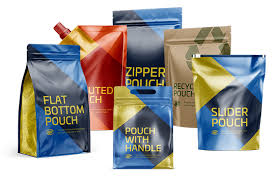
1️⃣ Pouches
Stand-up pouches (Doypack)
Flat / 3-side seal pouches
Zipper pouches
Spout pouches
Retort pouches
2️⃣ Packaging Films
BOPP films
PET films
LDPE / LLDPE films
Metallized films
Stretch & shrink films
3️⃣ Laminates
Multi-layer combinations like:
PET + PE
BOPP + PE
PET + METPET + PE
PET + Foil + PE
4️⃣ Roll Stock (Printed Rolls)
Used in automatic packing machines
Common in snacks, biscuit, spice factories
🔹 Materials Used
Polypropylene (PP / BOPP / CPP)
Polyethylene (LDPE / LLDPE / HDPE)
Polyester (PET)
Aluminum foil
Paper laminates
🔹 Industries Using Flexible Packaging
Food & Snacks
Dairy
Pharmaceuticals
Cosmetics
Detergents
Agriculture (seeds, fertilizers)
Industrial chemicals
🔹 Advantages
✔ Lower transportation cost
✔ Better shelf life (oxygen & moisture barrier)
✔ Attractive printing & branding
✔ Lightweight
✔ Less storage space
✔ Suitable for automation
🔹 Flexible Packaging vs Rigid Packaging
| Feature | Flexible | Rigid |
|---|---|---|
| Weight | Light | Heavy |
| Cost | Lower | Higher |
| Storage | Space saving | Requires more space |
| Protection | Good (laminated) | Very strong |
| Printing | High-quality | Limited |