

Food packaging is expected to protect products through filling, storage, transportation, retail handling, plus the intended shelf-life period. When packaging does not match the food's characteristics, problems can appear as seal failures, moisture exposure, loss of quality, damaged packs, or inconsistent presentation.
Choosing a capable Food Packaging Manufacturer therefore requires attention to technical suitability rather than appearance alone.
Food Characteristics Come First
Different foods create different packaging challenges.
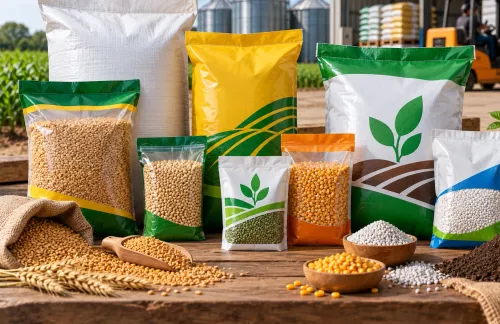
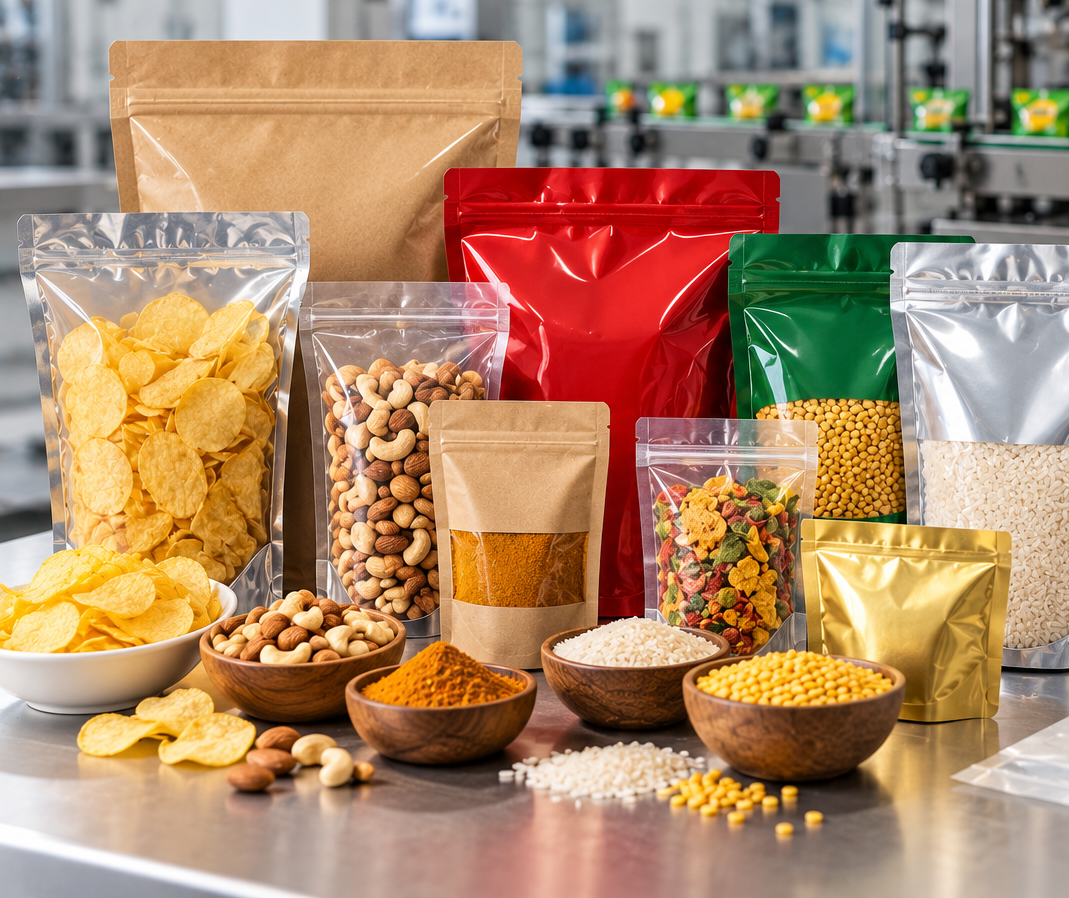
Dry powders may be sensitive to moisture. Snacks may require protection from external air plus humidity. Grains need reliable containment. Pet food may require durable packaging capable of tolerating handling throughout distribution.
Before packaging development begins, businesses should clearly define the product's characteristics plus expected shelf life.
Useful information includes:
- Product form
- Net weight
- Moisture sensitivity
- Storage temperature
- Expected shelf life
- Filling conditions
- Distribution route
- Pack format
This information helps establish the functional requirements of the package.
Material Selection Should Match Protection Needs
Packaging structures should be chosen according to what the product needs protection from.
A food product may require control of moisture transmission, oxygen exposure, external contamination, light, or odours. The required barrier level depends on the food plus its intended shelf-life conditions.
A suitable manufacturer should be able to discuss why a particular packaging structure is being considered rather than relying only on a generic material recommendation.
Seal Quality Deserves Attention
Even a suitable packaging material cannot perform effectively if the seal is inconsistent.
Seal performance may be influenced by equipment settings, film structure, contamination in the sealing zone, temperature, pressure, plus production speed.
Before moving into high-volume packing, businesses can benefit from checking finished packs under realistic filling plus handling conditions.
Packaging Must Survive Distribution
Food packaging is frequently evaluated at the point of packing, but distribution can introduce additional stresses.
Packs may experience stacking, vibration, compression, repeated loading, warehouse handling, plus temperature variations. Retail packs may also be packed tightly inside secondary cartons.
These factors should influence the mechanical properties selected for the package.
Printing Should Support Clear Communication
Printed packaging performs both functional plus communication roles.
Artwork should accommodate brand elements, product information, required declarations applicable to the product category, batch details, plus readable areas for other essential information.
Print planning should begin with the actual finished pack dimensions so important elements are not distorted by folds, seals, or filling.
Consistency Becomes Critical at Scale
For food manufacturers with recurring production schedules, packaging consistency matters as much as the initial sample.
Changes in dimensions, material behaviour, or sealing performance can affect packing-line efficiency. Procurement teams should maintain approved specifications plus communicate changes in production requirements before ordering.
Nagpur has a growing base of food processing, distribution, agriculture-linked, plus FMCG businesses serving markets across Maharashtra. These businesses often need packaging that can withstand both regional distribution plus longer transport routes.
Plastomatic Industries works with businesses requiring flexible packaging for varied food-related applications. When evaluating a food packaging manufacturer, buyers should focus on application understanding, specification clarity, production consistency, customization capability, plus responsiveness to technical requirements.
Reliable food packaging begins before the package reaches the filling line. The strongest results come from aligning the product, material structure, sealing process, storage conditions, plus distribution environment from the beginning.