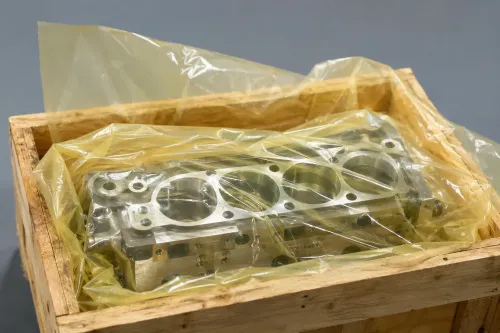


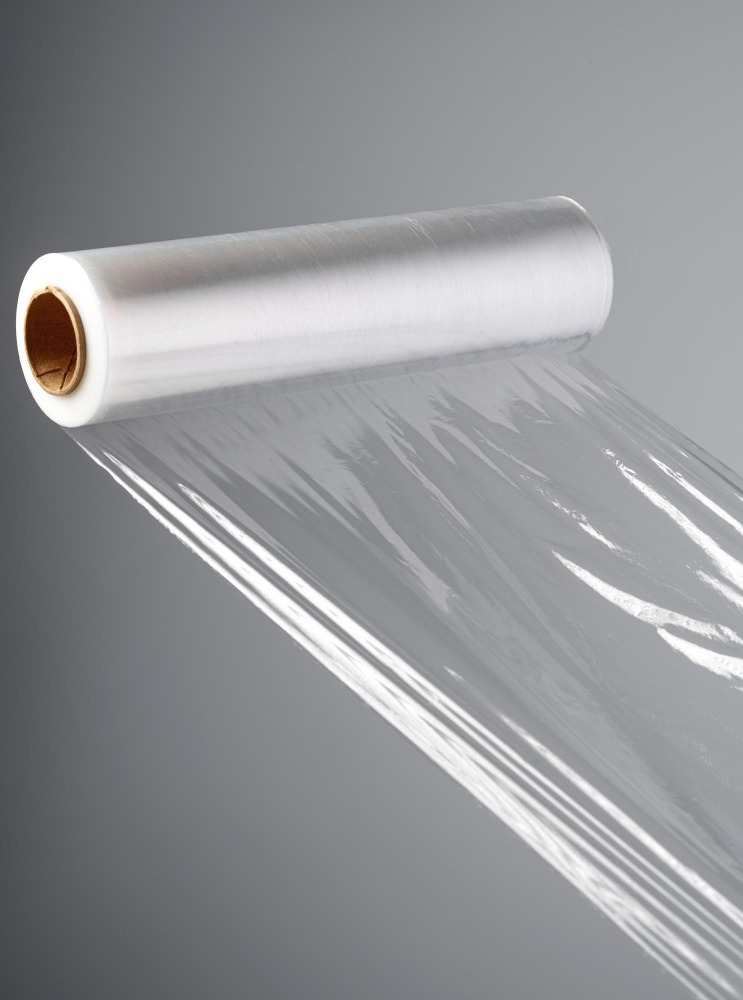
Shrink film is used to wrap individual products, grouped packs, cartons, trays, and industrial goods. When controlled heat is applied, the film contracts around the packed item and creates a close-fitting covering.
The result can improve product containment, protect against dust and handling, and create a clean presentation. However, effective shrink packaging depends on the relationship between the film, product, sealing system, and heat source.
Where Shrink Film Is Commonly Used
Shrink packaging is suitable for many commercial and industrial applications, including:
- Bundling bottles, containers, or boxes
- Wrapping retail multipacks
- Covering trays and grouped products
- Protecting printed cartons
- Packing household and FMCG goods
- Enclosing irregular industrial items
- Creating tamper-evident outer wrapping
- Stabilising selected products for dispatch
The film specification should reflect the product’s weight, shape, sharpness, and sensitivity to heat.
The Shrink Packaging Process
The process normally begins by enclosing the product in film and creating a seal. Heat is then applied through suitable equipment, causing the material to contract.
For consistent results, three elements must work together:
Film Selection
The film must have appropriate thickness, shrink behaviour, and strength for the application.
Seal Quality
The seal should remain secure while the film contracts. A weak or contaminated seal may open during heating.
Heat Control
The film needs balanced heat exposure. Too little heat can leave wrinkles, while excessive heat may create holes, distortion, or damage to heat-sensitive products.
Diagnosing Common Shrink-Wrapping Problems
Wrinkles usually indicate uneven heat, insufficient exposure, or unsuitable film sizing. Small holes may result from excessive temperature, sharp corners, or incorrect film thickness.
Loose packaging can occur when the film dimensions are too large or shrink performance does not match the equipment. Weak seals may be linked to incorrect temperature, inadequate pressure, or product contamination in the sealing area.
Operators should record machine settings and results during trials. This creates a repeatable process instead of relying on frequent manual adjustments.
Selecting Film Without Overpackaging
Using a thicker film than necessary may increase cost and material consumption without improving the final package. A film that is too thin, however, can tear or provide insufficient holding strength.
The right choice should be based on the performance of a complete packed unit. Trial packs should be checked after heating, cooling, stacking, and transportation.
Shrink Packaging for Nagpur Businesses
Manufacturers, distributors, food processors, and FMCG businesses in Nagpur use shrink film for unit packs and bundled products moving across Maharashtra. Packaging may face warehouse heat, repeated handling, and long-distance road transport.
Local availability can assist with sample evaluation and recurring supply planning. Businesses should communicate whether they use a shrink tunnel, chamber machine, or manual heat application because equipment type affects film selection.
A properly developed shrink pack should remain secure without crushing the product or creating unnecessary material waste. Its appearance should be consistent, and seals should tolerate normal movement.
To assess shrink behaviour with your existing equipment, request a film trial for the intended product and pack dimensions from Plastomatic Industries.