

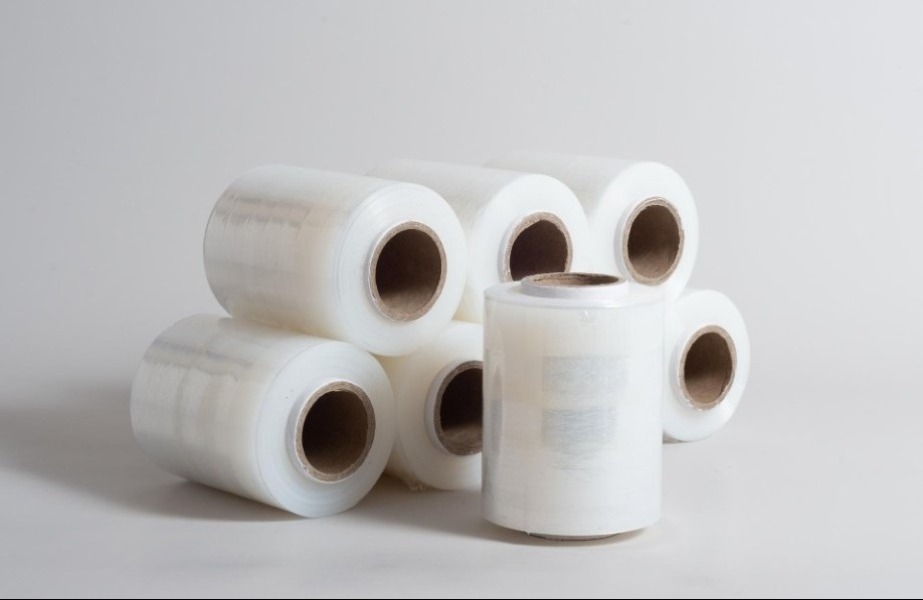
Packaging films are used to wrap, contain, bundle, or protect products throughout storage and transportation. Although many films may look similar, their performance can vary considerably. A packaging films manufacturer considers material properties, thickness, sealing behaviour, strength, clarity, and barrier needs before recommending a suitable option.
Selecting film only by price or appearance can lead to tearing, weak seals, excessive consumption, or product damage. A better approach is to match the film with the product and packing process.
Start with the Intended Application
The first step is to define what the film must do. A film used for unit packaging has different performance requirements from one used to secure a pallet. Likewise, shrink film must respond correctly to heat, while stretch film must provide controlled holding force.
Food, agricultural, FMCG, and industrial products also encounter different risks. Some need moisture resistance, while others require puncture strength, transparency, flexibility, or reliable sealing.
The most important selection factors include:
- Product weight, shape, surface condition, storage period, transport distance, and exposure to moisture or temperature changes
- Packing method, equipment compatibility, seal requirements, expected film consumption, and desired presentation
These details help narrow the options before samples are tested.
Thickness Must Match Performance
Film thickness is commonly treated as the primary indicator of quality, but it is only one part of performance. Material composition and manufacturing consistency also influence tensile strength, stretchability, clarity, and puncture resistance.
Using a film that is too thin may result in tears or unstable loads. Using one that is unnecessarily thick can increase consumption and packaging costs without producing a meaningful benefit.
The ideal gauge should provide dependable protection under actual operating conditions. Businesses should therefore compare films based on performance per packed unit rather than price per kilogram alone.
Consider the Packing Process
Films used on manual packing stations need to be easy for workers to handle. Films used with machines must run smoothly at the intended speed and temperature. Poor compatibility can interrupt production, create uneven seals, or increase wastage.
A trial should replicate routine conditions as closely as possible. It may include wrapping, sealing, stacking, temperature exposure, and transportation simulation. Results should be reviewed after the package has remained stored for a realistic period.
Relevance for Businesses in Nagpur
Nagpur has a diverse manufacturing and distribution base serving Maharashtra and surrounding states. Local food processors, FMCG units, agricultural suppliers, warehouses, and engineering businesses depend on packaging films for day-to-day dispatch.
Plastomatic Industries manufactures packaging films for different protective and handling applications. Buyers can obtain more relevant guidance when they provide accurate details about equipment, product characteristics, and current film usage.
Evaluating the Final Choice
A suitable packaging film should protect the product consistently, work efficiently with the packing method, and support reasonable material consumption. Seal reliability, load stability, puncture resistance, and ease of handling should all be reviewed.
Ask Plastomatic Industries for a suitable sample to conduct a practical packing trial before confirming your regular packaging film specification.