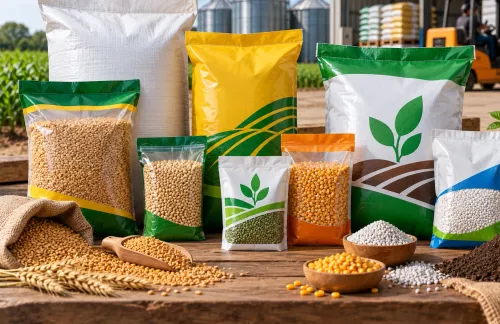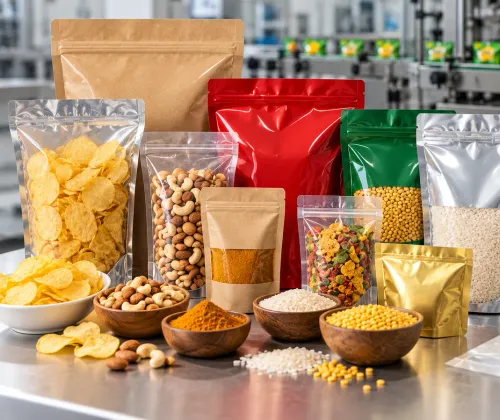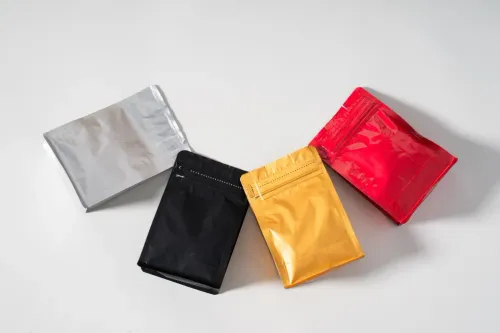


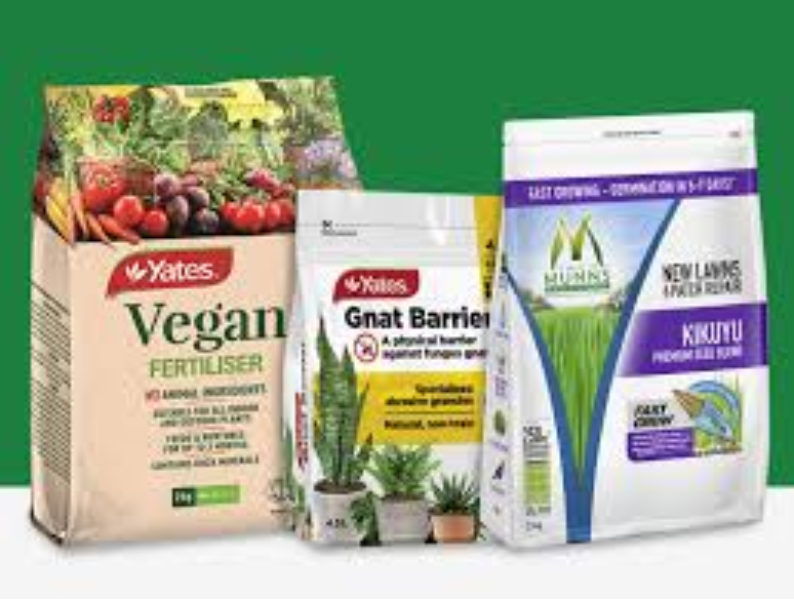
Agricultural products pass through several stages before reaching processors, retailers, or end users. During harvesting, cleaning, grading, storage, and transportation, unsuitable packaging can lead to moisture exposure, contamination, leakage, or physical damage.
An agriculture packaging manufacturer helps businesses select packaging according to the product’s flow characteristics, sensitivity, pack weight, and distribution conditions. The requirements for grains can differ significantly from those for seeds, fertilisers, animal feed, or processed agricultural products.
Packaging Requirements Change with the Product
Agricultural packaging should reflect the nature of the contents rather than follow a single standard. Some products need protection from external moisture, while others may require ventilation. Fine materials need secure seams and seals, whereas heavier products demand greater load-bearing strength.
Common agricultural packaging applications include:
- Seeds and planting materials
- Grains and pulses
- Fertilisers and soil inputs
- Animal and poultry feed
- Spices and dried produce
- Agricultural powders and granules
- Processed farm products
- Bulk materials requiring protective liners
The pack size may range from small retail quantities to larger bags used in commercial supply chains.
Five Questions to Ask Before Selecting Packaging
1. How Sensitive Is the Product to Moisture?
Seeds, feed, grains, and powders can be affected by changing humidity. Packaging should provide suitable protection without creating conditions that reduce product quality.
2. How Heavy Will the Filled Pack Be?
Filled weight influences material strength, seam construction, and handling performance. The packaging must tolerate lifting, stacking, and movement without splitting.
3. Will the Product Be Stored for Long Periods?
Extended storage increases exposure to warehouse conditions, insects, dust, and seasonal temperature changes. Packaging should be tested for the expected storage duration.
4. How Will the Pack Be Closed?
Heat sealing, stitching, tying, and other closure methods have different material requirements. A closure that works for one bag structure may not suit another.
5. What Happens During Transportation?
Repeated loading, vehicle vibration, compression, and contact with rough surfaces can weaken bags. Transport testing should reflect the actual route and handling practices.
Regional Challenges Around Nagpur
Nagpur is connected to agricultural areas across Vidarbha and functions as an important storage and distribution point in Maharashtra. Products moving through this region may experience high summer temperatures, monsoon humidity, warehouse stacking, and long road journeys.
Agricultural businesses should assess packaging performance across these changing conditions. A package that works during a short indoor trial may behave differently after prolonged storage or transport.
Plastomatic Industries supplies packaging bags, films, and liners for varied requirements in Nagpur. Clear information about the agricultural product and its movement through the supply chain helps the manufacturer suggest a more appropriate structure.
Test the Complete Filled Pack
Packaging should be evaluated after it has been filled to the intended weight. Observe the base, seams, closure area, and surfaces after lifting and stacking.
A meaningful trial should assess:
- Leakage from corners or seals
- Stretching under filled weight
- Moisture exposure during storage
- Punctures caused by handling
- Stability when stacked
- Ease of opening and dispensing
Consult Plastomatic Industries with your product type, pack weight, storage duration, and transport conditions to evaluate a suitable agricultural packaging option.