


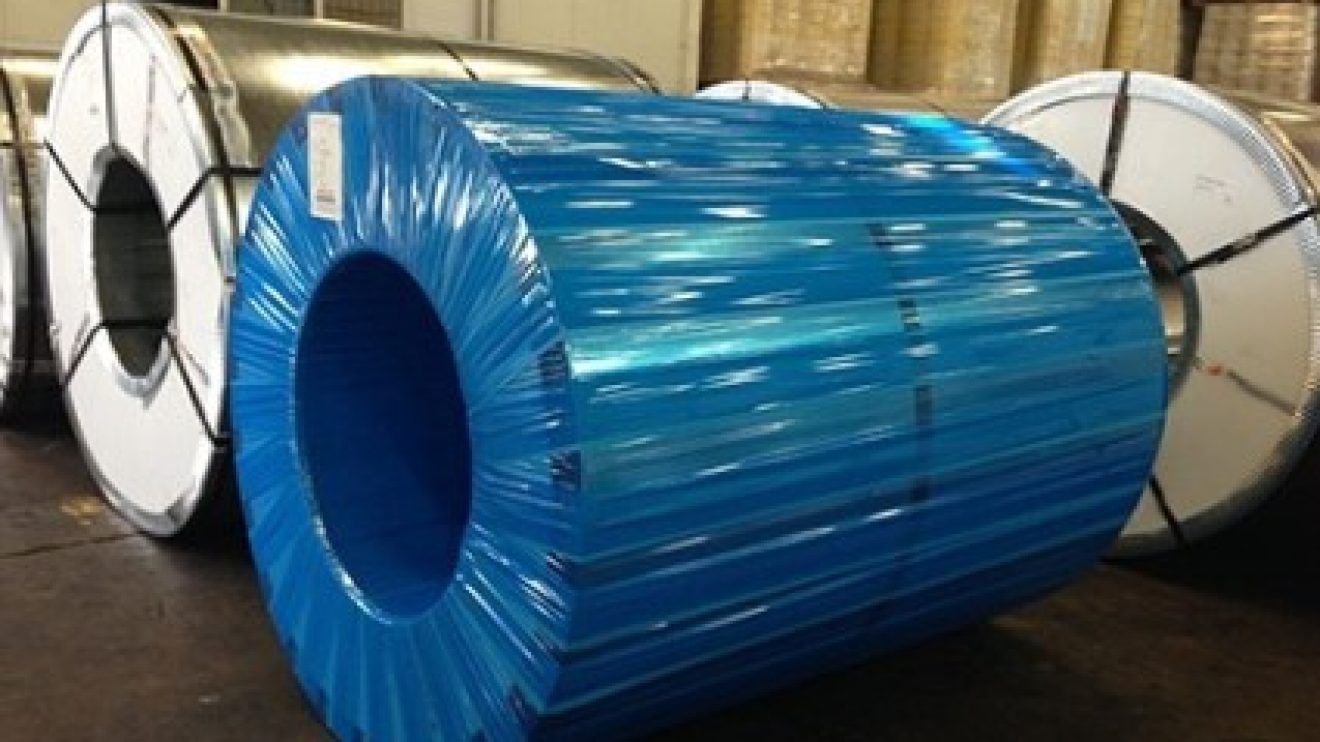
🛡️ VCI Films (Vapor Corrosion Inhibitor Films)
VCI films are specialized polyethylene packaging films that protect metal parts from rust and corrosion during storage and transportation.
They release corrosion-inhibiting vapors that form a microscopic protective layer on metal surfaces — without leaving oil, grease, or residue.
🔬 How VCI Film Works
Metal parts are wrapped or packed inside VCI film.
The film slowly emits VCI molecules into the enclosed space.
Vapors settle on the metal surface.
A thin invisible protective layer forms, preventing:
Rust
Oxidation
Moisture damage
Salt-air corrosion
When the package is opened, the protection dissipates naturally.
🏭 Common Applications
🚗 Automotive Industry
Engine components
Bearings
Gears
Spare parts
⚙️ Engineering & Manufacturing
Machine parts
Tools
Castings
Precision components
🚢 Export Packaging
Sea shipment protection
Long-term warehouse storage
🛠 Heavy Industry
Steel coils
Metal sheets
Pipes
📦 Types of VCI Films
| Type | Use |
|---|---|
| VCI Stretch Film | Wrapping pallets of metal parts |
| VCI Shrink Film | Heat-sealed corrosion protection |
| VCI Bags | Small component packaging |
| VCI Tubing Film | Continuous packaging lines |
| VCI Bubble Film | Protection + cushioning |
| VCI Paper + Film Combo | Heavy-duty export packaging |
🧪 Metals Protected
Carbon Steel
Stainless Steel
Cast Iron
Copper
Brass
Aluminum
(Special grades are available for multi-metal protection.)
📏 Technical Specifications (Typical)
Material: LDPE / LLDPE base
Thickness: 25–200 microns
Color: Blue (common), Transparent, Yellow
Protection period: 6 months – 2 years (depending on grade & storage conditions)
✅ Advantages
Clean protection (no oil coating required)
Reduces cleaning cost before use
Easy to apply
Cost-effective compared to rust damage
Ideal for export packaging
If you're involved in manufacturing or packaging, I can also help with:
🏭 VCI film manufacturing process
🧪 VCI chemical composition basics
💰 Costing & pricing strategy
📊 Market demand analysis
📑 Technical data sheet format
